Recently, an unusual situation took place in European football when South Korea's Kim Min-jae and Japan's Reo Hatate were both sent off almost simultaneously. The responses from fans in their respective countries have been starkly different and have sparked significant discussion among football enthusiasts. One player received support and consolation, while the other faced harsh criticism, seeming to fall 'from hero to zero.' Today, we delve into these two cases to conduct an in-depth analysis of the characteristics and psychology of Korean and Japanese football fandom.
Firstly, let's examine the dismissal of Bayern Munich defender Kim Min-jae. During a Champions League match, Kim Min-jae's red card sparked widespread sympathy among Korean fans, who predominantly perceived it as an 'unfair decision'. Considering his playing style, Kim Min-jae is fundamentally a fighter-type defender who predictably handles aggressive opponent attacks with his body. Momentary misjudgments or excessive battles can occur during transitions between offense and defense. The incident was seen as an inevitable contact made during intense pressure, leading fans to appreciate his defensive dedication and tenacity while offering consolation and encouragement. This understanding stems from the fact that Kim Min-jae has shown outstanding performance, earning the nickname 'Steel Pillar,' and has made significant contributions to his team, inclining fans towards a lenient perspective regarding his temporary mistake. Statistically, Kim Min-jae has played a pivotal role in team defense, demonstrating high success rates in pressure and tackling, further fueling fans' empathy.
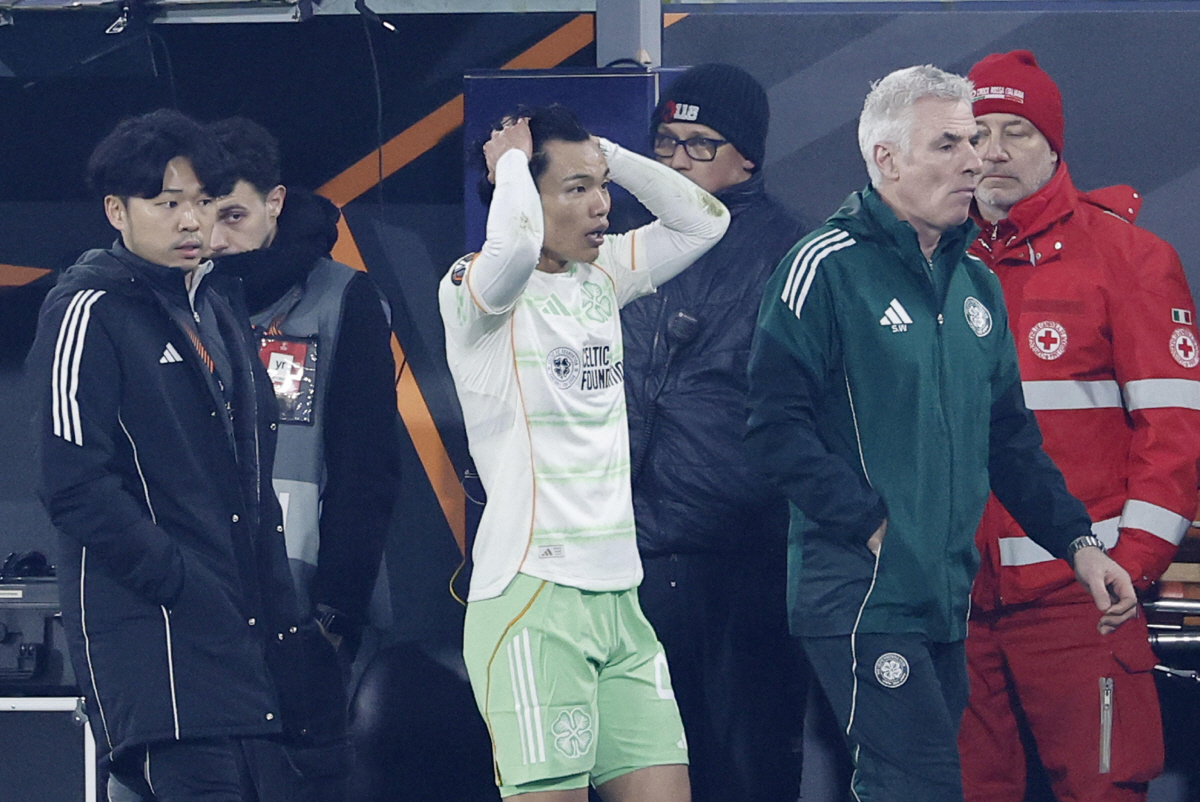
In contrast, the dismissal of Celtic FC midfielder Reo Hatate incited fierce criticism from Japanese fans. The predominant sentiment among Japanese fans was one of him going from 'hero to zero' in an instant. For a midfielder like Hatate, who regulates game flow and bridges attack and defense, a red card can be viewed as a critical blunder adversely affecting the entire team strategy. Especially in crucial matches, unnecessary fouls or emotional reactions resulting in dismissals inevitably disappoint fans. A detailed analysis of his dismissal reveals room for criticism over misjudgment or a lack of restraint, suggesting he substantially cost his team. This critique can be interpreted as a reversal from the remarkable performance and high expectations Hatate had previously set.
These two players' cases highlight how football fandom intertwines with national identity in intriguing ways. Korean fans view Kim Min-jae within the narrative of 'national pride and representation' and tend to interpret his dismissal as a misfortunate or unjust scenario rather than a personal failure. This outlook results from a blend of affection for the player and a critical perception of external factors, such as referee decisions. Conversely, Japanese fans demand strict responsibility from Hatate, a key player influencing the team's outcomes, perceiving his dismissal as misguided judgment and inadequate game management. This reflects the unique Japanese football culture, characterized by 'commitment to the team' and 'infallibility.'
These contrasting fan sentiments could subtly impact the future careers of both players. For Kim Min-jae, fan support and encouragement could bolster him psychologically, helping him return even stronger. Whereas for Hatate, while the criticism might weigh on him psychologically, it could also motivate him to play more maturely and judiciously. Ultimately, this dismissal issue is not merely an individual player's matter but rather eloquently demonstrates the differences in football culture and fandom between Korea and Japan, along with the differing values expected of the players. Observing how these players overcome and grow from this experience and the responses from their respective fans will continue to be an intriguing point of focus.